Flag Memory Match Puzzle
Reviews
Flag Memory Match Puzzle does one thing and does it clearly: flip cards, remember positions, clear the board. The flag theme adds mild educational value without turning the game into a geography lesson. Progressive difficulty and personal best tracking give it more staying power than a static matching game. It suits casual players, children, and anyone wanting a short brain-training break. The main limitation is inherent to the genre—once you memorize a board layout, that specific round loses some challenge.
Description
Matching Flags from Memory
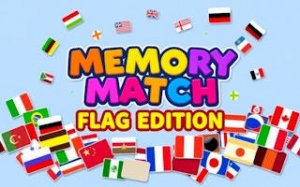
Flag Memory Match Puzzle follows the classic concentration format: every card starts face down, and you flip two at a time hoping for a pair. Each successful match removes those cards from the board. The twist is the subject matter—the faces are national flags, so every round doubles as light geography exposure. You win by clearing all pairs, and the game records how many moves you needed or how long you took.
How Difficulty Scales
The board does not stay the same size. As you play, the game introduces more cards and more complex flag patterns. That progression matters because a larger grid means more positions to hold in memory and more similar-looking flags to tell apart. Early boards are forgiving; later ones demand genuine concentration. This is the main reason the game works for both a two-minute break and a longer session.
Controls and Accessibility
There is nothing to learn. Click or tap a card to flip it, then click or tap a second card. The interface is built for any device with a pointer or touchscreen, and no timers force you to rush unless you are chasing your own best time. Because the rules are universal, players of any age can start immediately without a tutorial.
Playing for Better Scores
Performance is measured in moves and time, so efficiency is the real skill. After each flip, hold the position of that flag in mind rather than scanning randomly. Building a mental map of the board early—even if it costs a few extra moves—usually pays off in fewer total flips later. Regular short sessions tend to improve recall speed more than one long marathon.


Editorial Notes