Find the Missing Piece Puzzle
Reviews
Find the Missing Piece Puzzle keeps its scope narrow and executes it clearly: study an image, find the gap, pick the matching square. The progressive difficulty and possible timer add pressure without changing the core task. It suits players who want a quick visual workout or a calm attention exercise. The main limitation is variety; because the mechanic never evolves beyond comparison, players seeking deeper systems may lose interest after a few sessions.
Description
What the Game Asks You to Do
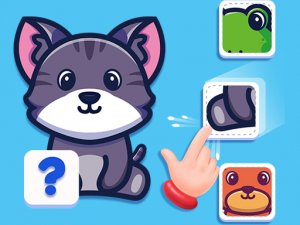
Each puzzle presents a finished image with one section removed. Your task is to identify the empty spot and then select the small square option that fits it. The challenge is not about speed alone but about noticing color, shape, and pattern cues that separate the correct piece from near-matches. Because the goal is visual comparison rather than trivia or logic, the game stays approachable for players of any age.
How a Round Unfolds
A round begins with the main image on screen and a set of square options below it. You examine the image, find the gap, and tap or click the piece you believe belongs there. A timer may be present, which shifts the task from careful study to quick scanning. A correct choice moves you to the next puzzle; an incorrect choice lets you try again. That retry loop keeps the focus on observation rather than punishment.
Difficulty and Progression
Puzzles become progressively harder as you continue. Early images tend to have obvious gaps and clearly different options, while later ones rely on subtler differences in color, shape, and pattern. This gradual increase keeps the game from feeling repetitive and gives players a reason to sharpen their eye over multiple sessions. Each level uses a different image and missing-piece combination, so the visual problem changes rather than repeating.
Who It Suits
The game is designed for short mental breaks and longer play sessions alike. It is non-violent, family-friendly, and typically playable online without downloads or registration. If you enjoy spot-the-difference puzzles or quick visual challenges, the format will feel familiar. If you prefer games with story or complex controls, the stripped-down loop may feel limited.




Editorial Notes