Color Hockey
Reviews
Color Hockey succeeds as a pick-up-and-play arcade sports game because it strips hockey down to a single controllable stick and a clear objective. The obstacle layouts and time-limited matches create genuine pressure without overwhelming newcomers. The computer opponent provides consistent competition, and the difficulty curve keeps matches from feeling stale. Its main limitation is a lack of detail about long-term modes or multiplayer, but as a concise, family-friendly challenge, it serves its niche well.
Description
Arcade Hockey with a Precision Twist
Color Hockey takes the basic idea of hockey—put the puck in the opponent's net—and rebuilds it as a fast, arcade-style contest. You control a hockey stick, not a full team, and the challenge comes from striking the puck cleanly past obstacles rather than managing lines or penalties. The game favors quick decisions and accurate aim over sports simulation depth.
Controls and Match Flow
Input is deliberately simple: mouse or touch screen moves your stick, and the puck responds to how and when you hit it. Each match runs on a set time limit, so scoring quickly matters. Clear feedback after each shot helps you adjust angle and power. As you progress, obstacle layouts become more complex and the computer opponent pressures you more consistently, pushing you to refine your timing rather than rely on lucky shots.
Visual Style and Accessibility
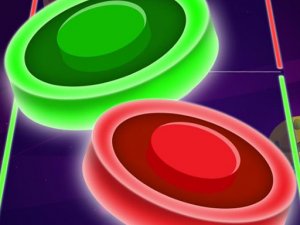
The colorful, vibrant graphics are more than decoration—they keep the puck and obstacles readable during fast exchanges. This visual clarity supports the family-friendly design, making the game approachable for younger players and casual audiences without stripping away the challenge for sports fans. There are no complicated rules to learn; the difficulty scales through match conditions, not through menu systems.
Building Consistency Over Time
Success in Color Hockey comes from repeatable technique. Learning how obstacles redirect the puck, reading the opponent's patterns, and staying composed under the time limit all matter more than risky, high-power shots. The game's feedback loop encourages gradual improvement, so each match becomes a chance to tighten your angles and decision-making rather than just chase a score.







Editorial Notes