Exoclipse Arcade Fun Game

Reviews
Exoclipse Arcade Fun Game targets families and children with a simple promise: pick a mode, react quickly, and enjoy colorful feedback. The controls are limited to arrow keys or swipes, so the barrier to entry is low. Multiplayer for up to four players adds a social layer that suits living-room play. The main limitation is depth; the input describes light strategy rather than complex systems, so players seeking long-term progression may find it thin. As a safe, short-session arcade option, it fits its stated audience well.
Description
What You Actually Do
Exoclipse drops you into a bright arcade setting where your job is to guide a character using arrow keys or touchscreen swipes. The game reacts immediately, so every input has a visible result. You pick a mode from the main menu, then rely on reflexes and small strategic choices to keep pace with the action. Sessions can last a few minutes or stretch to an hour, depending on how long you want to play.
Multiplayer and Family Play
Up to four players can join in, turning a solo reflex test into a shared activity. The multiplayer mode is built around teamwork and friendly competition, so families or groups of friends can coordinate moves or compare scores. Because the controls stay simple, younger players can participate without a long setup. The game is designed to be family-friendly, with no inappropriate content, making it a safe option for shared screen time.
Visual Style and Feedback
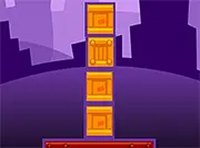
Colorful graphics and clear sound effects give each action a distinct feel. The visuals are aimed at younger eyes, using vibrant colors rather than dark or complex scenes. Sound effects support the on-screen action without overwhelming the player. This combination helps players understand what is happening even when the pace picks up, which matters in a game that depends on quick reactions.
Accessibility and Skill Range
The learning curve is intentionally shallow. Beginners can start playing within seconds, while experienced players can push for faster reactions and better timing. The arcade structure keeps each session focused, and the difficulty can increase through different modes or levels. That range means a child and an adult can both find a comfortable challenge level without needing separate versions of the game.







Editorial Notes