Path Runner 3D Arcade
Reviews
Path Runner 3D Arcade keeps its scope narrow: automatic forward motion, two-direction lane switching, and randomly placed obstacles that end the run on contact. The gradual speed increase turns a simple control scheme into a real test of reaction time, and the 3D presentation keeps obstacles readable as the pace climbs. It lacks the progression systems, modes, or unlocks that some runners offer, so players who need long-term goals may lose interest. For quick sessions and personal-best chasing, the formula holds up.
Description
Forward Motion and Lane Switching
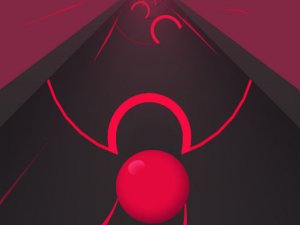
Path Runner 3D Arcade strips the runner formula down to two actions: tap left or tap right. The character advances on its own, so your only job is to move between adjacent lanes. Obstacles appear without warning, and each successful dodge extends the run. Because there is no jump, slide, or attack button, every decision comes down to which lane you occupy at any given moment. That constraint is what gives the game its tension — a mistimed tap is the only thing standing between you and a new personal best. [IMG_1]
Escalating Speed and Random Obstacles
The game does not use fixed level layouts. Obstacles are placed randomly, and the forward speed climbs gradually the longer you stay alive. Early on, you have time to read the screen and plan two or three lane changes ahead. As the pace increases, that window shrinks. The randomness means you cannot memorize a route; instead, you learn to recognize sequences — clusters of obstacles that demand quick consecutive taps — and react to them rather than anticipate a scripted pattern. [IMG_2]
What a Run Actually Feels Like
A session begins the moment you tap the screen. There is no tutorial, no character selection, and no menu of modes described in the source material. The run ends on contact with any obstacle, and the game records your distance and speed so you can compare attempts. That loop — tap, dodge, fail, retry — is designed for short bursts, but nothing stops you from chaining runs together. The 3D environment and smooth animation keep the screen readable even as the pace rises, which matters when obstacles arrive with little warning. [IMG_3]
Who This Suits
Players who enjoy reflex-driven casual games will find the learning curve gentle at first and genuinely demanding later. The controls are simple enough for a young child to understand, yet the speed scaling gives experienced players something to chase. If you prefer games with story, progression systems, or unlockable content, the source description does not mention any of those — this is a pure score-attack runner. Its value comes from repeated attempts and the small, measurable improvement in your own distance record.






Editorial Notes