Cormoria Quest: A Fantasy Creature Journey
Reviews
Cormoria Quest targets players who want a fantasy RPG they can open in a browser without installing anything. Its strengths, based on the description, are environmental variety across icy peaks, volcanic craters, and swamps, plus a progression system that scales objectives gradually. The pacing supports both quick sessions and longer play. The main limitation is that the creature collection tag is not explained in the source material, so players curious about that mechanic should look for additional details before committing.
Description
Exploring the Region of Cormoria
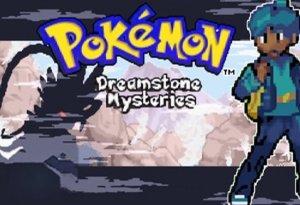
Cormoria Quest places you in the role of an explorer charting a newly discovered land. The region spans several distinct environments: icy peaks, volcanic craters, and mysterious swamps. Each area presents its own layout and obstacles, so the approach that works in one zone may not carry over to the next. Your overarching goal is to uncover the secrets of the Dreamstone, a powerful artifact tied to the region's history. The game runs entirely in a browser, so no download or installation is needed before you start.
Controls and Core Interaction
You navigate Cormoria using either keyboard or mouse controls, depending on your preference. The opening stages function as a training ground where you practice movement and learn the basic mechanics before the scenarios grow more demanding. Success hinges on three things: careful positioning, timing, and thoughtful decisions during active moments. The game provides clear control guidance at the start, and reviewing those instructions before moving on is worthwhile. You can pause at any time, but staying focused during active sequences is what pushes progress forward.
Progression and Session Structure
Objectives become gradually more demanding as you advance, giving the game a clear progression curve. New situations and challenges appear as you go, which helps keep repeated playthroughs from feeling identical. The pacing alternates between calm exploration and periods of increased activity, so the game fits both short browser sessions and longer stretches. A reward system recognizes completed goals and improved personal performance. Because each area and scenario differs, replay value comes from the variety rather than from a single fixed path.
Approaching Challenges
Observing your surroundings before acting often makes a difficult situation manageable. When an attempt fails, adjusting your strategy based on what happened tends to work better than repeating the same approach. Focusing on the main objectives before chasing optional goals keeps progress steady. Rushed decisions during difficulty spikes usually lead to setbacks, so staying calm matters. The early stages are the best place to get comfortable with the controls and the game's rhythm before the complexity increases.





Editorial Notes