Coral Reef Swim Challenge
Reviews
Coral Reef Swim Challenge builds its challenge on a single, clear mechanic: tap to rise, release to sink. That simplicity works because obstacle patterns mix static coral with moving kelp and creatures, forcing both memorization and quick reactions. The cartoon-like reef keeps hazards readable, and the difficulty climbs steadily rather than spiking. It suits players who enjoy rhythm-based arcade games and short, repeatable runs. The main limitation is that the core loop may feel repetitive for those seeking more variety.
Description
Tap Timing and Vertical Control
Coral Reef Swim Challenge asks you to keep a fish at a safe depth. A tap gives a small upward boost; letting go lets the fish drift down. The real test is rhythm: steady, measured taps work better than frantic pressing. Tap too often and you hit overhead formations; tap too little and you sink into lower hazards. That simple loop rewards small adjustments, making each run feel tense but fair.
Obstacle Patterns and Reaction Demands
Two obstacle families shape every run. Static formations — rock pillars and coral clusters — stay put, so you can memorize their positions. Moving hazards, like swaying kelp and drifting creatures, force you to react on the fly. Later sections combine both types with tighter spacing, pushing you to plan your route a few seconds ahead. The mix keeps runs fresh without becoming unfair.
Visual Clarity and Atmosphere
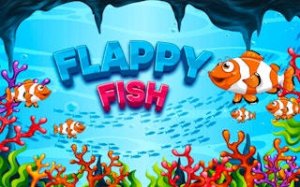
The reef uses bright, saturated colors: light blue near the surface fading to deeper teal below. Coral comes in pinks, oranges, and purples, while bubbles and light rays add a sense of depth. A clean, cartoon-like style cuts visual clutter, which matters when you need to spot the next gap quickly. The overall look stays welcoming and family-friendly.
Difficulty Curve and Session Length
Early levels offer wide gaps and few moving hazards, giving you room to learn the tapping rhythm. As you progress, obstacles appear more often and in tighter configurations. The difficulty rises steadily rather than spiking, so each completed section feels like a small win. That pacing suits both quick sessions and longer play periods, and it encourages retrying after a collision.








Editorial Notes