Frontline Directives: Strategic War Game
Reviews
Frontline Directives is a multiplayer strategy game that prioritizes positioning, planning, and adaptive decision-making over sheer unit counts. Its core loop involves surveying terrain, assigning unit roles, and adjusting tactics as matches unfold. Progression comes from experience and experimentation, not grinding. The game suits players who enjoy tactical depth and reading opponent behavior. However, the input does not specify single-player content, so solo players should verify before buying.
Description
Unit Roles and Command Structure
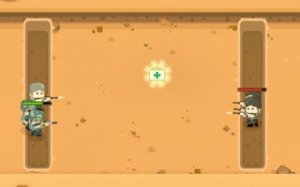
Frontline Directives puts you in charge of a fighting force where every soldier has a distinct function. Some units are designed to hold ground and absorb pressure, while others are built for rapid flanking maneuvers that catch opponents off guard. The game rewards smart application of each unit's strengths over overwhelming numbers. You decide who advances, who provides cover, and who waits in reserve. This layered command approach means no two engagements play out the same way.
Reading the Battlefield
Before issuing orders, you survey the arena. Terrain features such as elevation, cover, and chokepoints directly shape how combat flows. Positioning your forces to exploit these elements can turn a losing stand into a decisive win. The interface lets you identify weak points in the enemy line and shift squads accordingly. Timing matters: moving too early exposes your units, while waiting too long lets the opponent seize the advantage. Constantly evaluating space and timing forms the core gameplay loop.
Adaptive Decision Making
No plan survives first contact. Frontline Directives rewards players who think on their feet. When the situation changes, you might pull back a forward unit, reinforce a collapsing flank, or launch a surprise push. The game encourages flexibility rather than rigid adherence to a preset strategy. Each decision carries weight, and recognizing when a plan is failing is as important as knowing when to press an advantage. This dynamic environment keeps matches challenging for both new and experienced players.
Progression Through Experience
As you play, you develop a deeper understanding of unit interactions and which formations work best in different scenarios. Advancement comes from experience and experimentation, not grinding or repetitive tasks. You learn to predict opponent behavior, set traps, and coordinate multiple squads at once. This natural progression makes improvement feel earned. Every match becomes a lesson in strategy, and each victory or defeat provides insight for future encounters.





Editorial Notes