Logic Path: The Split Bond

Reviews
Logic Path: The Split Bond pairs simple click-and-drag puzzles with a heartwarming story about two characters separated by an enchantment. The gradual difficulty curve and clean, colorful environments make it accessible to children and adults alike. Its main limitation is a lack of information about platform availability and total puzzle count, but the core design clearly targets short, relaxed sessions that reward patience over reflexes.
Description
A Story Told Through Puzzles
Logic Path: The Split Bond centers on two characters divided by an old enchantment. Players control one of them, and every puzzle solved moves the narrative forward. The story avoids dark or frightening elements, focusing instead on reunion and friendship. This structure gives each brain teaser a purpose beyond simply clearing the screen, turning individual solutions into emotional milestones that keep players invested without overwhelming them.
Click, Drag, and Plan Ahead
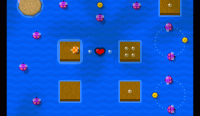
Interaction is handled entirely through clicking and dragging objects in the environment. Common tasks include building bridges over gaps, filling pits to create walkable paths, or clearing obstacles that block progress. The controls are deliberately simple so attention stays on the puzzle rather than complex inputs. Because each action can affect later steps, success depends on thinking ahead and observing the layout carefully before making a move.
Gradual Difficulty and New Mechanics
Early levels introduce basic spatial reasoning, and later stages combine multiple mechanics that build on earlier lessons. The difficulty curve rises steadily, giving newcomers room to learn the basics before facing more complex arrangements. Players who get stuck can experiment with different approaches or step away and return later. The game is built for short sessions, which suits casual play during breaks.
Visual Style and Family Appeal
Environments range from lush forests to rocky cliffs, each with a clean, colorful art style that feels safe and inviting. The game contains no mature content, violence, or conflict. Instead, it emphasizes problem-solving and exploration. This makes it a reasonable choice for parents looking for a game to share with children, or for adults who want a relaxing, low-pressure experience that rewards patience and creativity.






Editorial Notes