Tower Ascent: Fire Chase
Reviews
Tower Ascent: Fire Chase does one thing well: it turns upward movement into constant pressure. The auto-running character and rising fire remove any incentive to stop, while changing layouts prevent route memorization. The two-player mode adds coordination without complicating the controls. Its bright, silhouette-based visuals suit family play. The main limitation is that the formula depends on repetition and score chasing, so players who want varied objectives may find it narrow.
Description
Climbing Under Pressure
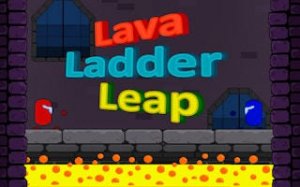
Tower Ascent: Fire Chase is built around one rule: keep moving up. Your character runs forward automatically, so your job is to time jumps, grab ledges, and use ladders to reach higher platforms. A wall of fire rises from the bottom, and it never stops. That constant threat turns every pause into a risk and every missed jump into a lost run. Because the tower's layout changes with each attempt, you cannot memorize a single path. You have to read the platforms as they appear and react.
Two-Player Coordination
The two-player mode is where the game changes character. Both players share the same screen and control separate characters. One can break obstacles to clear a route while the other looks for the fastest way up. Success depends on talking to each other, splitting tasks, and deciding who takes which risk. It is a setup that suits family sessions or friends who want a cooperative challenge rather than a solo grind.
Escalating Difficulty and Scoring
As you climb, the fire moves faster and platforms sit farther apart. New obstacle types appear gradually, so beginners can learn the basics before the pressure spikes. Precise jumps and quick decisions matter more the higher you go. The scoring system rewards both distance and speed, which gives you two ways to measure improvement. You can aim for a higher floor, a faster time, or both.
Visual and Audio Feedback
Bright colors and clear silhouettes make platforms easy to tell apart from hazards. The fire effect is dramatic but not graphic, which keeps the tone suitable for a family audience. Sound effects confirm successful jumps and near misses, while the background music holds a steady pace that matches the climbing intensity. These choices help you stay focused on the next jump rather than fighting the screen for information.





Editorial Notes