Picture Pair: Memory Puzzle
Reviews
Picture Pair: Memory Puzzle focuses on one clean mechanic: find two identical tiles and clear them from the board. The gentle timer adds light urgency without turning the game into a reflex test, and the changing illustrations keep each board from feeling like a repeat. Larger boards and tighter time windows appear as you progress, giving beginners room to learn while still challenging experienced players. It is best suited to casual players, families, and anyone who enjoys low-pressure memory exercises rather than fast-paced action.
Description
Matching Tiles and Clearing the Board
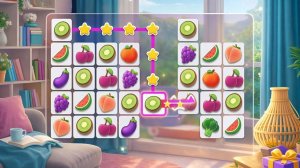
Every level in Picture Pair: Memory Puzzle follows one rule: select two tiles that show the same picture. When the images match, both tiles vanish and expose the empty surface underneath. That loop repeats until the board is clear. Because the game depends on visual recall rather than reflexes, success comes from remembering where each picture sits and scanning systematically instead of clicking at random.
Board Variety and Themed Illustrations
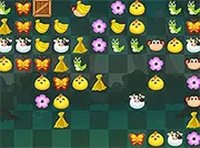
Each stage introduces a fresh arrangement of tiles filled with cheerful illustrations: animals, fruits, everyday objects, and playful icons. The imagery changes from board to board, so players cannot rely on a single memorized set. Board sizes and complexity also shift, which means early stages feel open and readable while later ones demand more careful tracking of tile positions.
Timer Pressure and Pacing
A gentle timer runs alongside each board. The goal is to clear all pairs before it expires, which nudges players toward efficient scanning and decisive choices. The pace stays relaxed enough to think through options, so the timer adds structure rather than stress. That balance supports both short breaks and longer focused sessions.
Progression and Difficulty Curve
As players advance, boards grow larger and may allow less time. This gradual increase means beginners can learn the matching rhythm without being overwhelmed, while experienced players still find boards that test their recall. The learning curve rewards consistent practice and does not punish mistakes harshly, which keeps the experience approachable for a wide age range.
Visual and Audio Feedback
Bright, clear graphics make each tile easy to identify at a glance, and the illustrations are designed to be family-friendly. Subtle sound effects mark successful matches and level completions, providing positive feedback without distracting from concentration. The overall presentation aims for a calm, inviting atmosphere suited to casual puzzle play.



Editorial Notes