Italian Meme Merge Puzzle

Reviews
Italian Meme Merge Puzzle keeps its core action simple: drag identical characters together to merge them. The challenge comes from limited board space and changing level goals, which push you to think ahead rather than merge at random. The Italian meme theme adds visual charm without requiring familiarity. Progression is skill-based, and rewards can buy hints or extra moves. It is best suited to players who want short, relaxed sessions with a puzzle that still asks for foresight.
Description
Merging on a Crowded Board
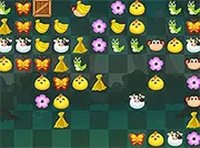
In Italian Meme Merge Puzzle, the main action is simple: drag one character tile onto an identical tile to combine them into a single, more valuable version. That one move repeats across every level, but the board does not stay open for long. As tiles accumulate, each merge changes what is possible next. The real decision is not whether you can merge, but which merge to make first. Players who clear space efficiently tend to reach level goals faster than those who merge whatever is closest.
Level Goals and Gradual Pressure
Every stage starts with a fresh board layout and a specific objective. Some levels ask for a target score within a set number of moves; others require merging a particular character several times. Because the goals change, the same merge action can serve different purposes from one level to the next. New characters and board configurations appear gradually, so the difficulty rises without sudden spikes. Completing a level earns rewards that carry into later challenges.
Meme Characters and Cheerful Art
The cast draws on Italian internet meme culture, giving each character a distinct look and a humorous name or expression. Bright colors and playful animations keep the board lively, and the theme separates the game from standard merge puzzles. You do not need to recognize the references to enjoy the art, but players who know the source material will notice extra details in the character designs.
Short Sessions and Skill-Based Progression
Progression is tied to planning rather than time spent. Efficient play, such as clearing several tiles in one move, can earn points and occasional bonuses. Those rewards can be spent on hints or extra moves when a board becomes difficult. There is no timer, so you can study the layout before each drag. The result is a game built for short, low-pressure sessions where better foresight leads to higher scores.

Editorial Notes