Timber Tile Match
Reviews
Timber Tile Match stands out for what it leaves out: no timer, no flashy effects, no competitive pressure. The 10x10 grid and drag-and-drop shapes create a focused spatial challenge, while the daily puzzle structure gives each session a fresh, finite goal. It suits players who want a gentle cognitive exercise, including families and older adults. The main limitation is that the input does not describe additional modes beyond the daily puzzle, so variety may depend on that structure.
Description
Fitting Shapes on a 10x10 Grid
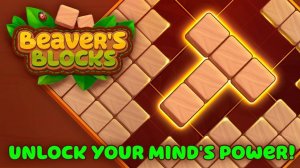
Each session in Timber Tile Match hands you a set of block shapes, built from connected squares in different colors. Your job is to drag those shapes onto a 10x10 grid and arrange them so that entire horizontal rows or vertical columns fill up. When a line is complete, it disappears, freeing space and adding points. The challenge is not speed but foresight: every placement changes the empty space left for the next shape, so a move that looks tidy now can block a clean line later. There is no timer, which gives you room to plan instead of react.
How the Daily Puzzle Works
The game serves a new puzzle each day, so the arrangement of shapes and the layout you face are never quite the same twice. These daily challenges are curated to grow more complex as the week goes on, starting with simpler configurations and moving toward layouts that demand more careful planning. Each puzzle is designed to be finished in one sitting, which makes it easy to treat as a short mental break rather than a long commitment. Returning regularly becomes part of the appeal, since the next day always brings a different set of decisions.
Calm Visuals and Sound
The interface stays clean and uncluttered, with soft natural colors and a clearly defined grid. Block shapes are easy to tell apart without harsh contrast, and background audio is minimal, using gentle tones that match the relaxed pace. Flashy animations are deliberately avoided in favor of clarity, which helps reduce visual fatigue during longer sessions. The result is a presentation that supports concentration rather than competing with it.
Progression and Skill Development
Rules stay consistent, but difficulty rises gradually. Early puzzles use basic shapes and smaller arrangements, while later ones introduce more complex configurations that require thinking several moves ahead. Over time, players sharpen pattern recognition and learn to visualize how different shapes can interlock. Because there is no clock or pressure to perform quickly, the reward comes from clearing a challenging layout rather than beating a timer. That makes the game as much about patience and planning as it is about quick recognition.
Designed for Family Play
Controls are intentionally simple: tap or click a shape, then drag it to the position you want on the grid. There are no complex menus or lengthy instructions to work through, which keeps the game approachable for young children learning spatial concepts and for older adults looking for a gentle cognitive exercise. The absence of violent or competitive elements means it fits comfortably into a family setting, and the lack of time pressure lets players of different ages enjoy it at their own pace.

Editorial Notes