Caverns of the Lost Realm
Reviews
Caverns of the Lost Realm targets players who want an accessible action RPG with meaningful build choices. The mouse-click combat lowers the entry barrier, while attribute allocation and equipment management provide depth. Loot quality scales with progress, encouraging thorough exploration. The dark atmosphere and shifting audio reinforce tension. However, the game appears to be single-player only, and its reliance on click controls may not satisfy those seeking complex real-time combat.
Description
Core Loop and Controls
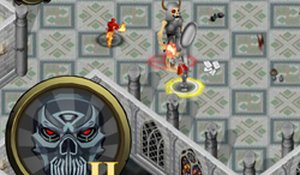
Players control a single hero navigating a series of underground chambers. Movement and combat rely on simple mouse clicks, keeping the control scheme approachable for newcomers while still offering enough depth for experienced action RPG players. Each chamber contains hostile creatures that must be dealt with before the hero can move deeper.
Character Builds and Attributes
As the hero levels up, players distribute points across attributes such as strength, agility, or magical affinity. This creates distinct paths: a physical bruiser, a nimble fighter, or a ranged spellcaster. Equipment found during exploration further shapes these abilities, so the build you plan is only part of the equation—what you find matters just as much.
Loot and Inventory Decisions
Defeated foes drop weapons, armor, and other items. Loot quality improves as players progress, which rewards thorough exploration of every corridor. The inventory screen becomes a strategic tool: deciding which gear to keep, equip, or discard directly affects how well the hero handles the next encounter.
Difficulty and Atmosphere
Each subsequent level introduces stronger adversaries with new attack patterns. The difficulty curve aims to feel fair, with rewards that match the increased risk. Players must balance aggression with caution, knowing when to push forward and when to retreat. The dark visual style, dimly lit corridors, and detailed creature sprites reinforce the sense of isolation, while sound effects and shifting background music signal the tension of deeper areas.





Editorial Notes