Math Logic Guardian

Reviews
Math Logic Guardian succeeds by tying arithmetic directly to in-game consequences. Correct equations push back obstacles; mistakes let them advance. That simple feedback loop gives the math a purpose beyond abstract practice. The gradual difficulty curve, from basic addition to multi-step equations, keeps the challenge fair, while power-ups and currency-based upgrades offer ways to manage tougher stages. The clean, non-violent presentation and offline support make it accessible for younger players and adults who want a low-stress brain workout.
Description
Building Equations Under Pressure
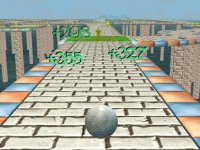
The central task in Math Logic Guardian is straightforward: you receive a set of numbers and a target value, then combine those numbers using addition, subtraction, multiplication, or division to produce the target. Each correct equation pushes back the obstacles that are steadily advancing toward you. A wrong answer lets them creep closer. That feedback loop turns every puzzle into a small risk assessment — do you attempt a quick solution, or spend a few extra seconds checking your work before committing?
How Difficulty Ramps Up
Early stages stick to simple addition and subtraction with small numbers, giving you room to get comfortable with the input method and the pacing. Later stages introduce multi-step equations and larger values, which demand more planning and mental arithmetic. The increase is gradual rather than sudden, so the game builds your confidence before asking you to handle longer chains of operations. Because the obstacles respond directly to your accuracy, the difficulty curve also affects how much pressure you feel moment to moment.
Power-Ups, Hints, and Upgrades
Special items appear during play and can grant extra time or provide hints when a puzzle is giving you trouble. Holding onto these for the hardest moments is a legitimate strategy, since the game lets you decide when to use them. Separately, successful puzzle completion earns in-game currency that you can spend on character improvements — for example, faster equation solving or stronger defensive effects. These upgrades feed back into the core loop, making later obstacles more manageable without removing the arithmetic challenge.
Presentation and Offline Play
The interface is clean and readable, with bright colors and clear number displays. There is no violent imagery and no complex menu system, which keeps the focus on the math. After the initial download, the game can be played offline, so sessions are not interrupted by connectivity issues. That combination makes it suitable for younger players and for anyone who prefers a calm, low-pressure atmosphere while still wanting a mental workout.




Editorial Notes