Picture Recall Trainer
Reviews
Picture Recall Trainer does one thing and does it clearly: it asks you to remember where images were, then click those spots before time runs out. The gradual increase in image count and decrease in viewing time keeps the challenge honest without becoming punishing. Its consistent, high-contrast layout suits short breaks and family play, though players seeking story or variety may find the loop repetitive.
Description
How a Round Unfolds
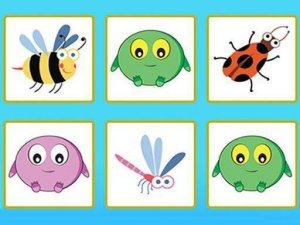
Each round begins with a grid of images. You get a short viewing period to note which picture sits where. The images then disappear, leaving empty spaces. Your job is to click the original location of each image. The game records both accuracy and speed, so a correct click made slowly still counts, but the timer keeps pressure on.
Difficulty That Scales With You
Early levels use fewer images and longer viewing windows, which lets new players learn the rhythm without immediate failure. As you advance, the number of images grows and the display time shrinks. That combination targets short-term visual memory rather than general knowledge. The ramp is gradual, so the challenge increases without a sudden spike that would make later stages feel unfair.
Reading the Grid
The interface uses high-contrast visuals so each image is easy to tell apart. Icons are simple and family-friendly, and the layout stays consistent across levels. Because the controls do not change, you can spend your attention on memorization instead of relearning the screen. This consistency helps both casual players and those treating the game as a focused mental workout.
Timing, Strategy, and Replays
A countdown timer adds urgency to every round. Rushing produces misclicks, while hesitating can leave images unclaimed. Players who do well often group images by category or build a mental map of the grid. Replaying earlier levels is a practical way to build confidence and refine that approach, and the game tracks best scores and completion times so improvement is visible over repeated attempts.






Editorial Notes