Ethereal Shift Puzzle Runner
Reviews
Ethereal Shift Puzzle Runner stands out for its elegant core mechanic. The ability to phase through walls and then become solid to interact with objects is used in consistently inventive ways. The level design is tight, with each stage introducing a new twist without overcomplicating things. The minimalist visuals keep the focus on the puzzles, and the gradual difficulty curve ensures a steady sense of accomplishment. It is a well-crafted game for anyone who enjoys thoughtful platforming challenges.
Description
Core Transformation Mechanic
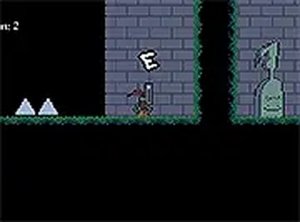
The central hook of Ethereal Shift Puzzle Runner is the ability to toggle between two distinct forms. In one state, the character can drift through solid barriers and access areas that are otherwise blocked. In the other state, the character becomes solid and can interact with objects in the environment. This duality is not just a gimmick but the foundation of every puzzle. Players must decide when to phase through obstacles and when to become tangible to push buttons, collect items, or stand on pressure plates. The transition itself is instantaneous, but the consequences of switching at the wrong moment can send you back to the start of a section.
Level Design and Obstacle Variety
Each area in the game is built around the idea of using the form switch to solve a specific spatial problem. Early stages introduce the basic concept with simple walls and a single switch. Later levels combine multiple barriers, moving hazards, and timed sequences that require rapid toggling. The difficulty ramps up gradually, ensuring that players learn the nuances of each mechanic before facing more complex arrangements. Some levels require memorizing the layout of hazards while in the ghostly state, then executing a sequence in the physical state. This keeps the gameplay fresh and encourages repeated attempts to find the optimal path.
Visual Style and Atmosphere
The game uses a clean, minimalist art style that makes the two forms easy to distinguish. The ghostly form is often represented with a translucent, glowing outline, while the physical form appears solid and vibrant. Backgrounds are simple but effective, with subtle animations that hint at hidden pathways or upcoming obstacles. The color palette shifts slightly depending on which form the player is using, providing a clear visual cue. This clarity is important because many puzzles require split-second decisions based on what is visible in the environment. The overall presentation is functional and focused, letting the gameplay take center stage.
Progression and Challenge Curve
As players advance, they encounter new elements that build on the core mechanic. For example, some stages introduce objects that can only be moved in the physical state, while others have passages that are only visible in the ghostly state. The game does not rely on random chance or luck; every puzzle has a logical solution that can be deduced through observation and experimentation. Checkpoints are placed generously, so failing a section does not mean replaying large portions of a level. This design choice encourages trial and error without causing frustration. The final stages require a deep understanding of both forms and the ability to plan several steps ahead.




Comments
0 comments