Marble Path Navigation
Reviews
Marble Path Navigation offers a refreshing take on the classic maze genre. The controls feel natural, with the marble responding accurately to every input. Each level introduces new obstacles that require thoughtful planning rather than quick reflexes. The visual design is clean and easy on the eyes, allowing players to focus entirely on the puzzle. Difficulty ramps up gradually, ensuring that players of different skill levels can find enjoyment. It is a well-crafted game that respects the player's time and intelligence.
Description
Core Challenge
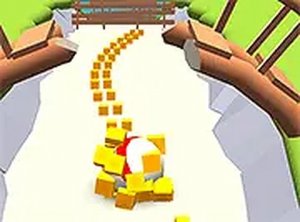
At its heart, this puzzle game asks players to steer a small sphere through a network of winding corridors. Each stage presents a unique layout where the goal is to gather all scattered markers before reaching the exit. The path is never straight, requiring careful observation and precise control. Obstacles appear along the way, adding a layer of tension without becoming overwhelming. The design encourages repeated attempts, as each failure teaches something about the layout.
Control & Feedback
Input methods are straightforward. On touchscreens, a finger swipe tilts the view or nudges the marble. On desktop, the mouse or arrow keys serve the same purpose. The marble responds with a satisfying weight, rolling and stopping naturally. This tactile feedback makes each movement feel deliberate. There is no penalty for taking time, so players can plan their route at their own pace. The interface remains clean, with minimal on-screen clutter.
Visual Style & Atmosphere
The presentation uses bright, clear colors and simple geometric shapes. Pathways are outlined distinctly against the background, making navigation easy on the eyes. The marble itself is a polished sphere that reflects light, adding a small visual reward. The overall look is clean and modern, avoiding any distracting effects. This simplicity helps players focus on the puzzle itself, rather than flashy graphics.
Progression & Variety
As players advance, new elements appear. Some stages introduce moving barriers that shift position over time. Others require the marble to pass through narrow gaps or over raised edges. The difficulty increases gradually, ensuring that each new challenge builds on skills learned earlier. There is no time limit, so the pressure comes from the puzzle design rather than a clock. This structure suits both short play sessions and longer periods of concentration.





Comments
0 comments