Gem Cascade Challenge
Reviews
Gem Cascade Challenge strips match-3 down to its essentials: swap gems, clear lines, and chase cascades. The absence of a timer sets it apart from most games in the genre, trading urgency for deliberate planning. Bright gem designs and a clean interface keep the board readable on any device. The lack of levels or stages may leave some players wanting more structure, but score-chasers and casual players looking for a no-pressure puzzle will find plenty to enjoy.
Description
How Matches and Cascades Work
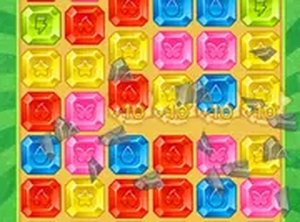
Gem Cascade Challenge follows the classic match-3 formula: swap two adjacent gems to line up three or more of the same type. A successful match awards points and removes those gems, letting the gems above fall into the empty spaces. [IMG_1] The twist is in the name — when falling gems create new matches on their own, the resulting chain reaction multiplies your score. Setting up matches near the bottom of the board gives you the most room for these cascades to build.
No Timer, No Pressure
Many match-3 games push you to act fast. Gem Cascade Challenge does not. You can study the board for as long as you like before each swap, which shifts the focus from reflexes to planning. That design choice makes the game approachable for young children and casual players while still rewarding adults who want to optimize every move. It also means a single session can last two minutes or an hour, depending on how much time you have.
Playing on Any Device
The game runs entirely in a web browser. There is nothing to install, no account to create, and no download to wait for. Controls work with both a mouse and a touchscreen, so the same game plays comfortably on a desktop, tablet, or phone. [IMG_2] A full-screen mode hides browser clutter and helps you concentrate on the grid. The layout adjusts automatically to different screen sizes, keeping the board readable whether you are on a wide monitor or a small phone.
Scoring and Long-Term Play
Your goal is a higher score. Every match earns points, and cascades that clear multiple groups in one move earn bonus points. There are no levels or stages to finish. Instead, the open-ended structure lets you set your own targets and measure improvement over repeated sessions. Pattern recognition and cascade planning are the two skills that matter most, and both sharpen with practice.







Editorial Notes