Puzzle Path: The Card Explorer
Reviews
Puzzle Path: The Card Explorer mixes light card-flipping with resource management and power comparisons. The nine-card board keeps sessions short, while randomized layouts and limited health and energy items create real decisions about order and spending. Its cheerful visuals and mouse-or-touch controls suit younger players, but the strategic layer gives older players enough to consider. The main limitation is that the input does not describe additional modes or long-term progression beyond session-to-session replay.
Description
Card Flipping and Power Checks
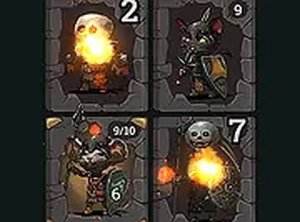
Puzzle Path: The Card Explorer centers on a board of nine face-down cards. Every flip uncovers one of three outcomes: a helpful item, a hidden passage, or a challenge. When a challenge appears, the game compares the hero's power level against the obstacle. If the hero's power is sufficient, the card is cleared. If not, the player must retreat, gather more boosts, and try again later. This comparison system turns each flip into a calculated risk rather than a blind guess, because players can see the relative power level of a potential challenge before committing to the flip.
Resource Management in the Chambers
Coins, health restoratives, and energy boosts are scattered across the board, and they are limited. Health potions restore the hero after tough encounters, while energy boosts allow attempts on more demanding cards. Using a potion at the right moment can mean the difference between clearing a card and restarting. Because resources do not replenish freely, every decision about when to spend them carries weight. Players who hoard too long may miss opportunities; those who spend carelessly may find themselves unable to handle a later challenge.
Accessible Controls and Family-Friendly Design
The game uses cheerful visuals suitable for all ages. Controls support both mouse and touch screen input, so it plays on computers, tablets, and phones. Each card flip includes a simple animation, and the board layout stays clear and uncluttered. This accessibility lets younger players enjoy the game without frustration, while the strategic layer still offers enough depth for older players.
Progression and Replayability
Each session presents a fresh arrangement of cards, so no two playthroughs are identical. The placement of items, passages, and challenges changes, which encourages players to adapt their strategy rather than memorize a fixed route. As players become more familiar with card placement patterns, they can plan more efficient paths through the board. This variability gives the game strong replay value, as players can always try to improve their performance or explore different approaches.
Strategic Decision Making
Patience and observation are rewarded. Before flipping a card, players can see the relative power level of the challenge it might contain, allowing informed decisions about which cards to tackle first. Prioritizing cards that hold keys or passage unlocks can open new areas of the board, while avoiding cards that would drain the hero's health preserves resources for later. This strategic layer makes the game more than luck; it is a test of planning and resource allocation.







Editorial Notes