Shadow Stage Mystery Puzzle
Reviews
Shadow Stage Mystery Puzzle is a free desktop-browser game that combines theatrical staging with point-and-click puzzle solving. Its strengths are its unhurried pace, its use of environmental clues, and its integration of story progression with puzzle completion. It is likely to appeal to players who enjoy mystery narratives and logical deduction without time pressure. The main limitation is its desktop-only design, which excludes mobile players and makes full-screen play the intended setup.
Description
What You Actually Do
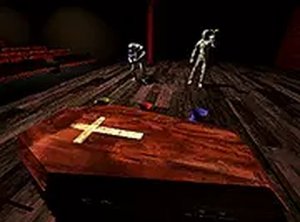
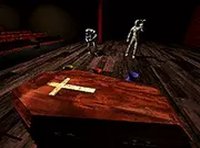
Shadow Stage Mystery Puzzle places you on a stage with no memory of who you are or how you got there. Each scene is a self-contained area you explore with mouse clicks, examining objects and collecting clues. The puzzles are not abstract brainteasers dropped into a story; they are built from the environment itself. An item you notice in one scene often becomes the key to unlocking the next, so the game asks you to treat every prop and backdrop detail as potential evidence rather than decoration.
[IMG_0]
How Progress Works
There is no timer, no combat, and no fail state. Completing a puzzle advances you to the next scene, and the narrative unfolds in step with your progress. Because clues are embedded in the stage environment, the pacing is deliberate: you are meant to slow down, look around, and think about what the objects in front of you imply. If you stall, the game's structure supports backtracking. Returning to an earlier area with knowledge gained later can expose connections you missed the first time.
Who This Is For
The game suits players who prefer observation and logical deduction over reflexes or pressure. Its theatrical framing gives the puzzle-solving a narrative purpose: each solved scene reveals more about the character's past. The free, browser-based format means no download and no commitment beyond opening a tab. Full-screen mode is available for a more focused view of environmental details. Anyone who enjoys mystery stories told through interactive scenes, rather than dialogue-heavy cutscenes, will find the format familiar and accessible.




Editorial Notes