Isoball 2 Physics Puzzle
Reviews
Isoball 2 offers 50 well-designed levels that gradually increase in complexity, keeping the puzzle-solving fresh. The sandbox mode adds replayability, allowing players to experiment freely. The revised score system encourages efficient solutions, rewarding creativity. The sleek interface and responsive controls make it a pleasure to play. It is a great choice for puzzle fans seeking a calm yet challenging experience.
About This Game
Game Introduction
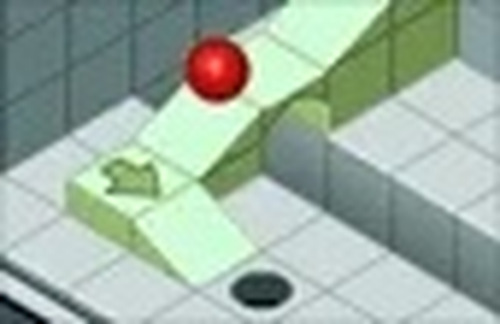
Isoball 2 is a physics puzzle game where players guide a ball into a hole using various tools. It builds on the original with new levels and mechanics, focusing on creative problem-solving. The game challenges players to think strategically about how to arrange ramps, blocks, and other pieces to create a path. Its physics-based gameplay makes each puzzle unique, as the ball reacts realistically to the environment. This sequel introduces fresh elements that expand the puzzle possibilities, making it suitable for players who enjoy thoughtful challenges.
How to Play
Players select a level from a set of stages. The goal is to move the ball from its starting point to the designated hole. To do this, players drag and place provided pieces—such as ramps and blocks—onto a grid. They can adjust the angle and position of each piece to form a continuous path. Once the setup is ready, the ball is released and rolls according to physics. If the ball does not reach the hole, players can modify their arrangement and try again. The game rewards efficient and creative solutions.
Game Features
The game includes physics-based puzzles that test logic and creativity. It offers a number of levels with increasing difficulty, as well as sandbox modes for free experimentation. New pieces and a revised scoring system are introduced in this sequel. The design is sleek and modern, providing a clean visual experience. The sandbox mode allows players to build without constraints, encouraging endless experimentation.
Tips for Success
To succeed, start by studying the level layout and the available pieces. Think about the ball's trajectory and how each piece can redirect or support its movement. Experiment with different angles and positions, as small adjustments can make a big difference. If a setup fails, analyze where the ball went off course and tweak accordingly. Use the sandbox mode to practice and understand how pieces interact. Patience and creativity are key—there is often more than one solution to a puzzle.