Parking Puzzle 3D
Reviews
Parking Puzzle 3D successfully merges driving fun with puzzle solving. The limited-move mechanic forces players to think strategically, while the colorful 3D graphics and simple controls keep the experience accessible. It is best suited for players who enjoy logic puzzles and casual games. The lack of a time limit makes it a relaxing yet mentally engaging choice for short breaks or longer sessions.
Description
Core Puzzle Mechanics
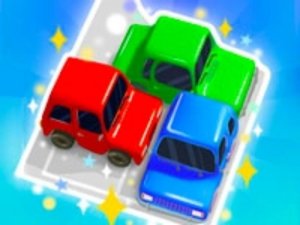
In Parking Puzzle 3D, your task is to guide every vehicle into its matching parking spot without causing collisions. Each level presents a distinct arrangement of cars and obstacles, so you must assess the layout and plan a sequence of moves. Tapping or clicking a car moves it in the chosen direction. The challenge lies in clearing a path for each vehicle while avoiding crashes, which demands logical thinking and spatial awareness.
Progression and Difficulty
The game starts with simple puzzles that teach the controls and basic movement rules. As you advance, layouts become more complex, and you face a limited number of moves per level. This constraint forces you to think ahead and consider the order in which cars should be moved. Later stages require careful planning and often multiple attempts to find the correct sequence. The difficulty curve keeps the experience engaging without becoming frustrating.
Controls and Accessibility
Controls are intuitive: simply tap or click on a car to move it in the direction you want. The game works on touchscreens and with a mouse, making it accessible on various devices. If you get stuck, you can restart the level and try a different approach. This flexibility encourages experimentation and learning from mistakes.
Visual Style and Atmosphere
Parking Puzzle 3D features colorful 3D graphics that are easy on the eyes. The visual clarity helps you distinguish cars, parking spots, and obstacles, which is crucial for planning moves. The overall presentation supports a relaxing yet stimulating experience, suitable for short breaks or longer play sessions.



Editorial Notes