Rope Traverse City Runner
Reviews
Rope Traverse City Runner strips its action down to a single satisfying input: fire, swing, release. The difficulty comes from reading obstacle patterns and judging distance, not from complicated controls. Bright visuals, quick resets, and audio cues keep the learning curve fair. Players who enjoy skill-based arcade games with tight timing windows will find plenty to replay, though those wanting variety in mechanics may find the loop narrow.
Description
One Button, One Rope, One Rhythm
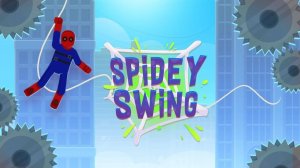
Rope Traverse City Runner builds its entire challenge around a single action: firing a rope upward to latch onto an anchor point, then swinging forward. Players tap or click to shoot the line and release at the correct moment to launch through the air. The difficulty comes from judging distance and speed before committing to a swing. Release too early or too late and the character meets a hazard; nail the timing and the path opens up. That loop settles into a natural rhythm after a few attempts.
Hazards That Demand Observation
Each level adds barrier types that force players to adapt rather than memorize a single safe route. Sharp edges line walls and ceilings, so swings must clear them precisely. Rotating blades spin at varying speeds, rewarding a quick read of their cycle before moving. Spiked balls on chains swing in arcs, and arrow traps fire at set intervals. These elements appear in patterns that encourage studying the environment before acting. Later stages stack multiple obstacle types into tight spaces, testing memory and reflexes together.
A Difficulty Curve Built on Layering
Complexity grows gradually instead of simply piling on more hazards. Early levels use wide gaps and slow obstacles, giving players room to build confidence. Mid-game stages tighten corridors and speed up threats, demanding faster decisions. Later levels use layered patterns where one swing must avoid several dangers at once. Each new stage feels like a real step up rather than a repeat with extra objects to dodge.
Clear Visuals and Immediate Feedback
Bright, high-contrast colors keep obstacles readable against the background. Character animation stays smooth, and the visible rope line shows exactly where the grapple will attach. Hitting a hazard triggers a brief screen flash and a fast level reset, which keeps frustration low. Sound cues mark successful swings and collisions, so timing can be learned through both sight and hearing. The interface stays minimal, showing only a score display and a level indicator during play.
Replay Value Through Skill Mastery
Every level can be replayed to improve completion time or attempt a clean run with no hits. The game tracks personal bests, giving players a concrete target to refine. Controls are easy to learn, but the timing windows stay tight, so there is always room to improve. Skills built in early levels transfer directly to later stages, which creates a steady sense of progression. Because no random elements are involved, each failure points to a fixable mistake rather than bad luck.







Editorial Notes