Lily's Teleport Quest: Cooperative Arcade

Reviews
Lily's Teleport Quest stands out for its clever puzzle design that scales naturally from simple to complex. The character switching mechanic adds a strategic layer that encourages teamwork without being overly complex. The bright, cheerful art style and ad-free experience make it a safe choice for young children. Parents will appreciate the lack of pressure and the opportunity to play alongside their kids. It is a well-crafted browser game that delivers exactly what it promises: wholesome, cooperative entertainment.
Description
Teleport Mechanics & Puzzle Design
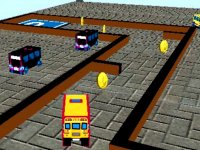
Each stage in Lily's Teleport Quest presents a fresh puzzle centered around a mysterious teleportation device. Players must figure out how to activate portals, coordinate character movements, and collect scattered items to progress. The puzzles start simple, introducing one portal at a time, then gradually combine multiple teleport points, requiring careful planning. The design ensures young players can grasp the logic while older family members find satisfying challenges. Visual cues, such as glowing portal rings and directional arrows, help guide decisions without overwhelming the player.
Character Roles & Teamwork
Throughout the adventure, players can switch between familiar characters, each bringing a unique ability to the team. For instance, one character might be able to move heavy objects, while another can activate distant switches. This variety encourages players to think about which character is best suited for each task. The cooperative aspect shines when two players share control, discussing strategies and timing their moves together. Even when playing solo, the need to swap characters on the fly fosters a sense of managing a small team.
Visual Style & Atmosphere
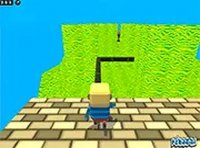
The game world is bright and colorful, with hand-drawn backgrounds that shift from sunny beaches to whimsical forests. Character animations are smooth and expressive, adding personality to every action. The sound design uses cheerful music and gentle sound effects that signal success or provide friendly feedback. There are no scary or intense moments, making it suitable for even the youngest players. The overall aesthetic is inviting, encouraging repeated play without visual fatigue.
Progression & Replay Value
As players complete levels, they unlock new areas and additional mini-games that introduce fresh mechanics. Some levels focus on timing, others on memory, and a few on simple pattern recognition. This variety keeps the experience from becoming repetitive. The game also tracks completion stars, giving families a reason to revisit earlier stages to improve their performance. Regular updates may add seasonal content, ensuring the game remains engaging over time.
Accessibility & Family-Focused Design
The controls are optimized for both mouse and touch input, making the game playable on desktops, tablets, and phones. The interface uses large, clearly labeled buttons and minimal text, so pre-readers can navigate with help from an adult. There is no time pressure or failure state that punishes mistakes; players can retry any level instantly. This design philosophy prioritizes fun and learning over competition, aligning with family-friendly values.






Comments
0 comments