Pathway to the Heart Platformer
Reviews
Pathway to the Heart excels by doing one thing well: pure platforming. The clean visuals and responsive controls make each jump feel deliberate. The gradual difficulty curve keeps the experience engaging without becoming frustrating. It is an excellent choice for players who enjoy skill-based challenges in a calm, distraction-free environment. The browser-based format adds convenience, making it easy to play during short breaks.
Description
Core Gameplay Loop
Pathway to the Heart is a 2D platformer that strips away unnecessary elements to focus on a single core action: jumping. Players control a character that moves automatically or with basic input, and the only interaction is to jump at the right moment. Levels are designed as a series of platforms and gaps, with sharp hazards placed to test the player's timing. The challenge comes from judging distances and executing jumps with precision, not from complex controls or multiple abilities. This pure design makes the game accessible to newcomers while offering a satisfying challenge for experienced players who appreciate refined mechanics.
Level Design Philosophy
Each level in Pathway to the Heart presents a unique arrangement of platforms and obstacles. The layout gradually increases in complexity, introducing wider gaps and more tightly spaced hazards as the player progresses. The minimalist visual style ensures that every element on screen serves a purpose, with no distracting backgrounds or unnecessary details. This clarity allows players to focus entirely on the timing of their jumps. The levels are short, making them ideal for quick play sessions, but they require repeated attempts to master, encouraging a rhythm of practice and improvement.
Visual and Audio Atmosphere
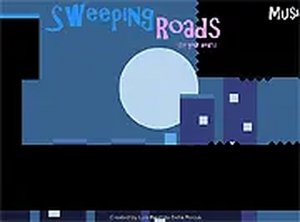
The game employs a clean, minimalist aesthetic with simple shapes and a limited color palette. This visual approach reduces cognitive load, allowing players to concentrate on the gameplay. The audio design complements this by providing subtle sound cues for jumps and landings, reinforcing the player's actions without being intrusive. The overall atmosphere is calm and focused, creating a meditative experience where the primary engagement comes from the physical act of timing jumps correctly. This combination of visual and audio elements supports the game's goal of providing a pure, uncluttered platforming experience.
Accessibility and Platform
Pathway to the Heart is designed to be played on a desktop computer using a keyboard or mouse. The controls are simple: a single button press to jump. This low barrier to entry makes the game suitable for players of all ages and skill levels. Being a browser-based game, it requires no downloads or installations, allowing immediate access from any modern web browser. The responsive controls are optimized for desktop play, ensuring that the precision required for later levels is achievable. This design choice ensures that the game remains focused on skill rather than technical limitations.
Progression and Replayability
Progression in Pathway to the Heart is linear, with players advancing through levels by reaching the end of each stage. The challenge increases gradually, requiring players to refine their timing to overcome new obstacles. There are no power-ups or alternate paths, which keeps the focus squarely on the player's skill. This straightforward progression encourages replayability, as players can return to earlier levels to improve their performance or simply enjoy the refined gameplay. The lack of complex systems means that each play session is a fresh test of the player's ability to judge distances and react quickly.








Comments
0 comments