Three Card Count Challenge
Reviews
Three Card Count Challenge delivers exactly what it promises: a clean, accessible card game focused on reaching 31 points. The turn-based mechanics are easy to grasp, yet the decision to draw, discard, or knock adds genuine strategic weight. Playing against AI is a good way to learn, but human opponents bring the real excitement. The interface is clutter-free and responsive. For a quick mental break or a casual family session, this game fits the bill nicely.
Description
Core Objective & Card Values
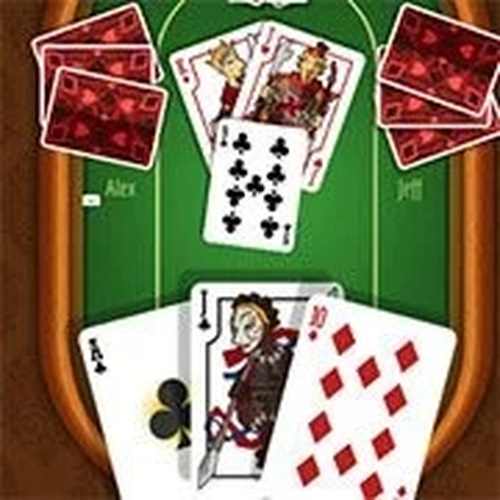
In Three Card Count Challenge, each player receives three cards. The target is to make these cards add up to 31 points. Aces are high at 11 points, face cards are worth 10, and numbered cards count their face value. The game uses a standard deck and can be played by two or more participants. Understanding these values is the first step to building a winning hand.
Turn Structure & Decision Points
On each turn, a player may draw a card from the deck or take the top card from the discard pile. After drawing, one card must be discarded. Players may also swap cards from their hand with cards already on the table. The round ends when someone knocks or reaches exactly 31. This structure creates a rhythm of careful choices and risk assessment.
Winning Conditions & Scoring
A player wins by either reaching exactly 31 points or by knocking when they believe their hand is stronger than all opponents'. After a knock, all hands are revealed, and the highest total wins. If no one knocks and the deck runs out, the player with the highest hand value is the winner. The game rewards both luck in the draw and skill in reading opponents.
Multiplayer & AI Modes
Three Card Count Challenge can be played against computer opponents or with friends in an online setting. The AI provides a consistent challenge for solo practice, while human opponents add unpredictability. Quick rounds make it ideal for short breaks or extended sessions. The interface is designed for easy pick-up-and-play, with clear prompts for each action.
Strategic Depth & Observation
Success depends on tracking which cards have been discarded and predicting what opponents might hold. Building a hand of the same suit increases point potential. Knowing when to knock versus when to keep drawing is a key skill. Regular play sharpens these abilities, making each session more engaging than the last.