Grapple Leap Quest
Reviews
Grapple Leap Quest succeeds by making its central mechanic the star. The hook feels natural and satisfying, whether you are swinging across chasms or pulling distant objects. Level designs are inventive without being overwhelming, and the gradual introduction of new elements keeps the experience fresh. The bright, uncluttered art style and upbeat soundtrack complement the lighthearted tone. While the game is relatively short, its focus on quality over quantity means every stage offers something memorable. It is a perfect choice for players seeking a relaxing yet engaging platformer that rewards creativity and precision.
Description
Core Mechanics
The central tool in Grapple Leap Quest is a versatile hook that allows players to attach to surfaces, pull objects, and launch themselves across gaps. This mechanic replaces traditional double-jumps or wall-climbing, requiring thoughtful aim and timing. Players must decide whether to use the hook for speed, to reach hidden areas, or to manipulate the environment. The physics engine ensures that each swing and pull feels weighty and responsive, rewarding careful planning.
Level Design Philosophy
Stages are built around the hook's capabilities, featuring platforms at unusual angles, moving targets, and breakable barriers. Some areas require precise swinging to cross large pits, while others demand quick reflexes to hook onto moving objects. Secret alcoves and optional paths encourage thorough exploration, often leading to collectibles that unlock cosmetic options. The difficulty curve introduces new environmental elements gradually, allowing players to build confidence with the hook before facing more complex layouts.
Visual and Audio Presentation
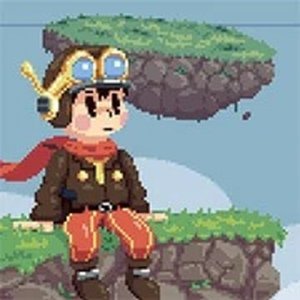
The art style uses bright, contrasting colors to clearly highlight grapple points and interactive elements. Characters and backgrounds are drawn with a clean, cartoon-like aesthetic that keeps the screen uncluttered. Sound effects provide clear audio cues when the hook attaches or when an object is successfully pulled, aiding players in timing their actions. The soundtrack consists of upbeat, rhythmic tunes that match the pace of each level without becoming distracting.
Replayability and Progression
After completing a stage, players can revisit it to improve their completion time or find missed secrets. The game tracks best times and collectible counts, offering a reason to refine routes and experiment with different hook strategies. There is no penalty for failure; checkpoints are frequent, and restarts are instant. This design encourages trial and error, letting players focus on mastering the hook rather than worrying about losing progress. The overall experience is structured for short play sessions, with each level taking only a few minutes to complete.