Frog Kermit Jigsaw Puzzle
Reviews
Frog Kermit Jigsaw Puzzle delivers exactly what its name suggests: a single 64-piece jigsaw of a plush frog toy, solved by dragging pieces into place. The absence of a timer and the always-visible reference image lower the pressure, making it a good fit for children, older players, or anyone who wants a quiet break. The main limitation is scope — one image, one piece count, no alternate modes. If you want a long or varied jigsaw session, this will feel brief.
Description
The Puzzle You're Solving
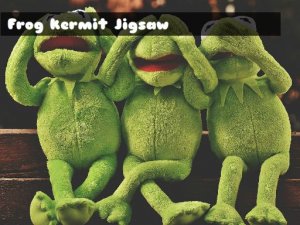
Frog Kermit Jigsaw Puzzle asks you to reconstruct a single image: a plush frog toy named Kermit. The picture is split into 64 uniquely shaped pieces, and your only goal is to move each one to its correct spot. There are no levels, scores, or hidden objectives beyond completing the picture. The game shows the finished image as a reference, so you always know what the final result should look like.
How the Pieces Move
Controls are drag-and-drop. You pick up a piece and place it on the board; if it belongs somewhere, it stays. The 64 pieces have distinct shapes, which means you can identify edge pieces and corners by their straight sides before matching any colors. That shape information is the main tool for solving the puzzle, especially in areas where the plush frog's fur has similar tones.
What Makes It Low-Pressure
No countdown timer runs during play. You can leave a piece in the wrong spot, rethink your approach, or step away and return without penalty. The reference image stays visible, so you never have to memorize the picture. This design supports short sessions and long ones equally, and it removes the failure states common in timed puzzle games.
Who It Suits
The 64-piece count is modest compared to large digital jigsaws, making this a reasonable fit for younger players, older adults, or anyone who wants a puzzle that can be finished in one or two sittings. The subject matter — a plush toy frog — keeps the tone light. Because there is no timer and no losing condition, the game works as a quiet break rather than a competition.






Editorial Notes