Zoo Animal Memory Match Puzzle
Reviews
Zoo Animal Memory Match Puzzle sticks to the classic concentration formula without adding unnecessary complexity. Its strengths are the absence of timers, the one-tap controls that work on any device, and the colorful animal art that appeals to children. Adults looking for a quick mental warm-up will also find it useful. The main limitation is a lack of variety: there are no described difficulty settings, power-ups, or story elements. It is best suited for players who want a straightforward, relaxing matching game rather than a deep puzzle experience.
Description
Matching Pairs at Your Own Pace
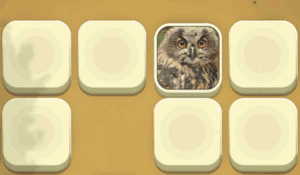
Zoo Animal Memory Match Puzzle follows the familiar concentration format: cards are laid face down, and you flip two at a time to reveal animal pictures. When the animals match, the pair disappears from the board. If they don't, the cards flip back after a brief pause. The goal is to clear every pair by remembering where each animal is hidden. There is no timer, so you can take as long as you need on each turn.
Simple Controls for Any Device
Interaction is limited to clicking or tapping a card to turn it over. This works the same way on desktop and mobile, so the game is accessible whether you're at a computer or using a touchscreen. The interface stays out of the way, showing only the card grid and basic navigation. Because the controls are so straightforward, even young children can pick it up without instruction.
Visual Style and Family Appeal
The game uses colorful, cartoon-like animal graphics set against a cheerful zoo backdrop. The bright visuals are designed to be appealing to children and inoffensive to adults. There is no text-heavy content, no failure state, and no stressful audio. This makes it a safe choice for family play, classroom breaks, or a quiet moment alone.
Building Focus Through Repetition
Each round asks you to hold animal positions in your short-term memory and update that mental map as new cards are revealed. Over time, regular play can sharpen visual memory and attention to detail. The absence of a countdown encourages deliberate thinking rather than rushed guessing, so mistakes don't feel punishing. You can stop at any point and resume later without losing progress on the current board.







Editorial Notes